Choosing between a flexographic printing machine and a rotogravure printing machine is one of the biggest decisions a packaging converter makes. It decides your print quality, your cost per job, how fast you can change over and which materials you can run. This guide explains how each process works and where each one wins, so you can pick the right press for your product mix.
If you are comparing flexographic vs rotogravure printing machine options for flexible packaging, labels, tapes or paper products, the short answer is this: flexo suits short-to-medium runs and fast job changes, while rotogravure suits very long runs where consistent, high-detail print matters most. The details below show why.
Flexographic printing
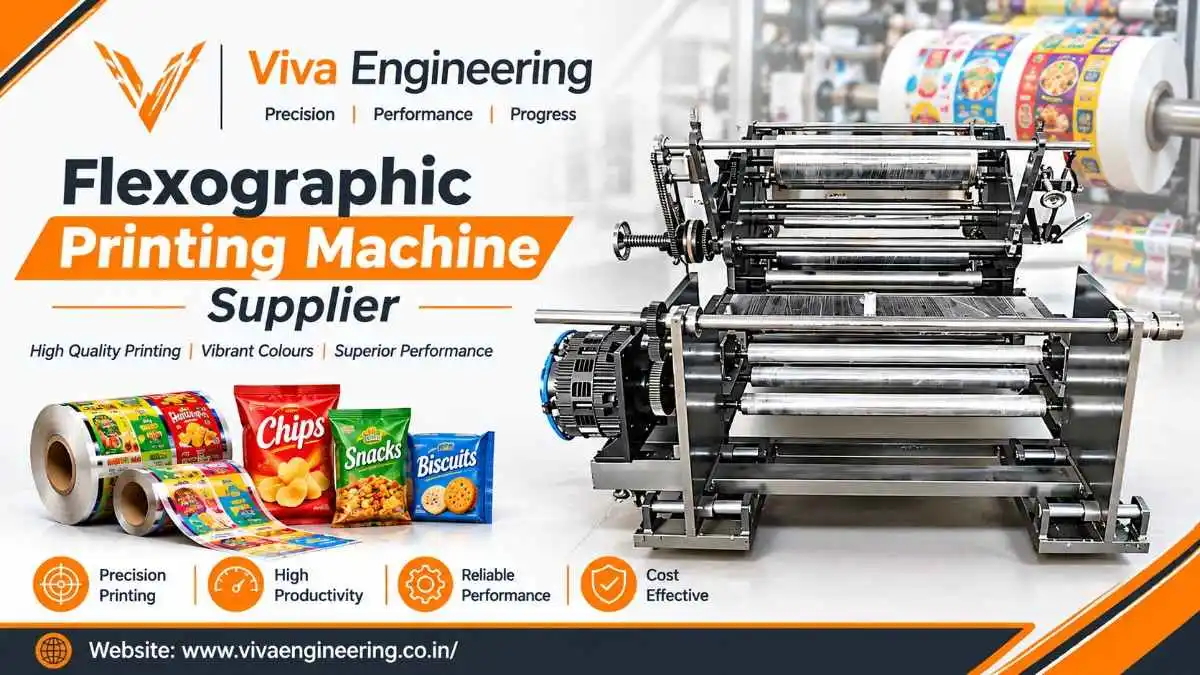
A flexographic printing machine uses a flexible relief plate, usually photopolymer, mounted on a plate cylinder. Ink is metered onto an anilox roll, which has thousands of tiny engraved cells. The anilox roll transfers a controlled film of ink to the raised image on the plate, and the plate then prints onto the substrate. Fast-drying water-based, solvent-based or UV inks are used, and drying units between colour stations set the ink quickly.
Rotogravure printing
A rotogravure printing machine works the opposite way. The image is engraved as tiny cells into a steel cylinder that is copper-plated and chrome-finished. The cylinder rotates through an ink bath, a doctor blade wipes excess ink from the surface, and the ink left in the cells transfers directly to the substrate under pressure. Cell depth controls how much ink is deposited, which is why gravure can reproduce fine tonal gradations so well.
Print Quality
Rotogravure has traditionally set the benchmark for print quality. Because each engraved cell deposits a precise volume of ink, it produces smooth gradients, rich solids, sharp small text and photographic images with very little variation across a long run. It is the preferred process for premium food packaging, cosmetic wrappers and high-end laminates.
Flexographic printing has closed much of the gap. Modern plates, high-line-screen anilox rolls and better registration control now deliver sharp, vibrant results on films, paper and foil. For most commercial packaging, tapes, labels and paper products, a well-set flexo press gives more than acceptable quality. Only very fine photographic work or demanding gradient vignettes still favour gravure.
Factor
Flexographic
Rotogravure
Image detail
Very good, improving with plate and anilox technology
Excellent, best for photographic images
Solid colour density
Good
Excellent
Gradients and vignettes
Good
Excellent
Consistency over very long runs
Good
Excellent
Run Length and Setup Cost
This is where the two processes separate most clearly.
Flexographic printing has low tooling cost. Photopolymer plates are inexpensive, quick to make and easy to store. Job changeovers are faster, and many machines allow quick plate and anilox swaps. That makes a flexographic printing machine the practical choice for short and medium runs, frequent design changes, seasonal artwork and customers who order small batches.
Rotogravure printing has high tooling cost. Each colour needs its own engraved cylinder, and cylinders are expensive, take time to produce and need careful storage. The cost is spread over the run, so gravure becomes economical only when volumes are large and the artwork repeats. For very long, repeat orders, the cost per metre can fall below flexo, and the cylinders last for millions of impressions.
A useful rule of thumb: if your jobs change often and run in modest lengths, flexo protects your margins. If you print the same design in huge quantities, gravure repays its cylinder investment.
Materials and Applications
Both processes handle a wide range of substrates, but each has strengths.
• Flexographic printing machine: corrugated board, paper, paper cups, labels, BOPP and polyethylene films, non-woven material, tapes, bags and cartons. Water-based and UV inks make it a strong option where low solvent emissions or food-safety rules matter.
• Rotogravure printing machine: laminates, BOPP, PET, aluminium foil, snack and confectionery wrappers, pouches, wallpaper and decorative paper, where high-volume, high-quality repeat printing is required.
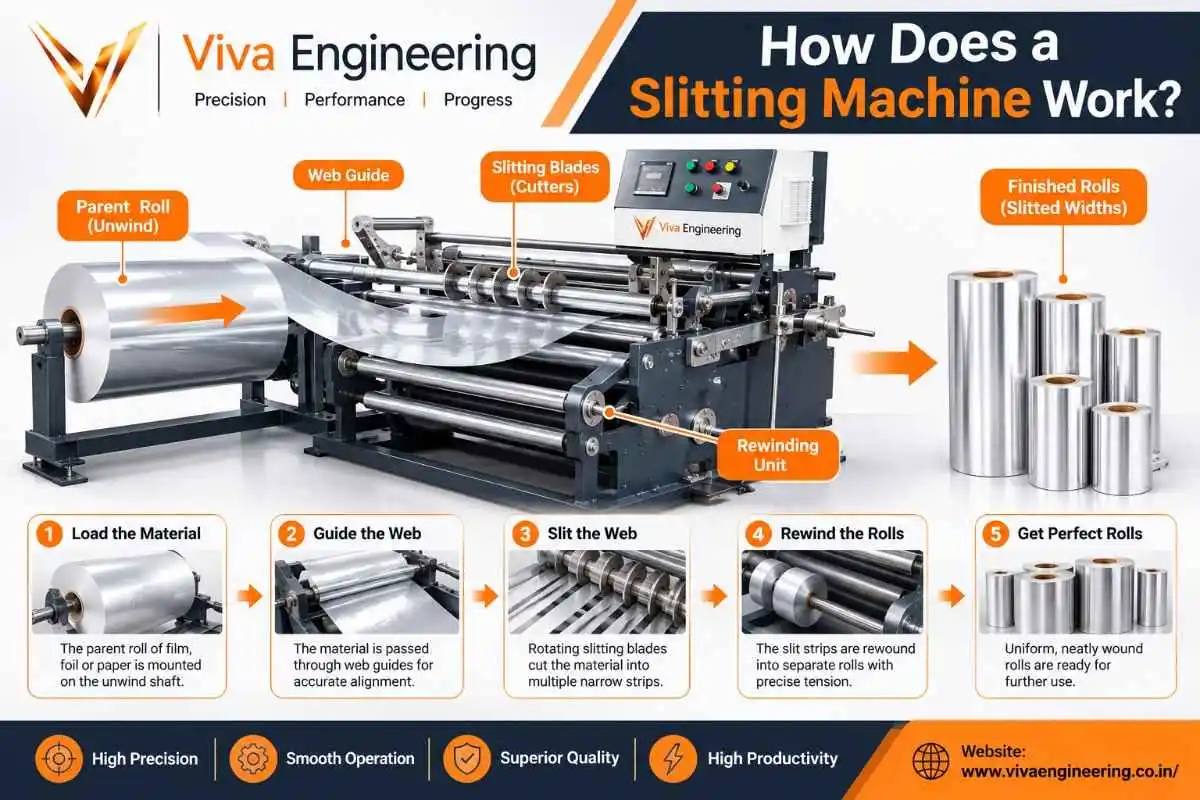
If your plant also converts printed rolls into narrow reels, your printing line should work smoothly with your finishing equipment. A well-matched slitting rewinding machine takes the printed jumbo roll, slits it to width and rewinds it cleanly, so print registration, tension control and roll quality all need to line up from press to finishing.
Maintenance and Running Costs
Flexographic presses are mechanically simple. Routine care covers cleaning anilox rolls, checking doctor blades, replacing worn plates and maintaining dryers. Anilox cleaning is the most important habit, because clogged cells cause uneven ink laydown. Operators can be trained quickly, and spares are easy to source.
Rotogravure presses demand more. Cylinders must be handled, cleaned, inspected and re-chromed when worn. Solvent-based inks bring ventilation, solvent recovery and fire-safety requirements, which add to installation and operating cost. Drying ovens use more energy. In return, a properly run gravure line gives stable output for years on long-run work.
Factor
Flexographic
Rotogravure
Tooling
Photopolymer plates, low cost
Engraved cylinders, high cost
Changeover
Faster
Slower
Ink systems
Water-based, solvent-based, UV
Mostly solvent-based
Operator skill
Moderate
Higher
Plant requirements
Lower
Higher (ventilation, solvent handling)
Decision Table: Which Machine Should You Choose?
Your situation
Better fit
Short and medium runs, many designs
Flexographic
Very long runs of the same design
Rotogravure
Frequent artwork changes or seasonal packs
Flexographic
Photographic quality and premium finish
Rotogravure
Lower starting investment
Flexographic
Water-based or UV ink preference
Flexographic
High-volume laminate and pouch packaging
Rotogravure
Paper, labels, tapes, cartons, non-woven
Flexographic
Questions to Ask Before You Buy
1. What are your typical job lengths, and how often does artwork change?
2. Which substrates will you print most: film, paper, foil, board or non-woven?
3. What print quality do your customers actually expect?
4. How much floor space, power and ventilation can you provide?
5. What does your finishing line look like, and will it match the press speed and width?
6. How strong is the supplier's after-sales service, spares support and operator training?
Answering these first prevents the most common mistake: buying a gravure line for work that flexo handles at lower cost, or a flexo press for jobs that truly need gravure consistency.
Final Thoughts
There is no single winner in the flexographic vs rotogravure printing machine debate. Flexo gives flexibility, lower tooling cost and faster changeovers. Rotogravure gives unmatched consistency and detail on very long runs. Match the process to your order pattern, substrates and quality targets, and you will get the best return from your investment.
Viva Engineering, based in Ahmedabad, manufactures industrial machinery for converters, including printing and slitting rewinding solutions. Explore our flexographic printing machine to see specifications, or contact our team with your substrate, width and output needs and we will help you choose the right setup.